
THE FIT INTELLIGENCE LAYER FOR FASHION AND CLOTHING ECOMMERCE

The Fit Intelligence Layer for Fashion eCommerce
Your PDP is losing sales.
Right now.
Fit uncertainty is the single largest driver of hesitation, abandonment and returns in fashion eCommerce. This page shows you exactly what that looks like and what euforma targets to change.
Hesitation begins here
The product page is where 72% to 85% of fashion shoppers abandon their session. The three highlighted zones below are the most common triggers of fit-related hesitation and abandonment.
amrofue
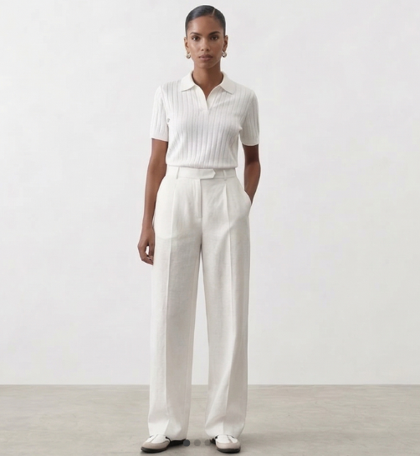
Women's Wide-Leg Pleated Linen Blend Trousers
£79.99
Colours: White
Select size:
Free returns on all UK orders
No fit context for the model
The shopper can see how the garment looks but not what size the model is wearing or their measurements. The image provides style inspiration but zero fit reference. The shopper is left to guess.
Generic size grid, no fit guidance
A flat size grid with no personalisation, no fit notes such as "runs small" or "relaxed through the hip", no fabric stretch disclosure and no measurements. The shopper cannot know if this M means their M.
No social validation on fit
No structured fit feedback, no reviews mentioning height or size worn, no Q&A answering common fit questions. The shopper arrives at the buy decision with no peer reassurance.
Fit uncertainty is the primary cause of PDP abandonment across UK fashion eCommerce. Most brands absorb this as a cost of trading online. euforma is designed to change that assumption.
euforma's fit intelligence layer removes uncertainty at the point of decision. When shoppers know it will fit, they move faster and with confidence.
Where doubt turns into cost
The basket page reveals a telling pattern: 63% of UK fashion shoppers bracket. They add multiple sizes of the same item, intending to return what does not fit. This is not a customer behaviour problem. It is a fit intelligence problem.
Your bag (3 items)
Wide-Leg Pleated Linen Trousers
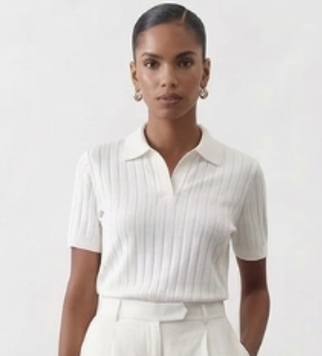
Ribbed Polo Shirt
Thank you — your order will be with you within 4 days.
Order summary
Bracketing normalised
63% of UK fashion shoppers bracket when uncertain about fit. Adding two sizes has become rational, learned behaviour. The brand's free returns policy completes the permission structure, inflated order volume with a guaranteed return built in.
No fit guidance at basket stage
Most platforms surface fit information on the PDP, then remove it at the basket. No size confirmation resurfaces. No nudge to reconsider the second size. The cost of that uncertainty is now embedded in the logistics budget. A returning fit signal at this stage can convert a bracket into a single confident purchase.
Returns policy as a cost centre
Free returns are now a baseline expectation. But every return costs £10 to £25 to process before restocking, write-downs and inventory distortion. The reassurance the brand offers shoppers funds a structural cost that compounds every season. euforma removes the need for the safety net by making fit certain before the order is placed.
NRF 2025, IMRG 2025, Baymard Institute. Approximately half of all fashion returns are avoidable with better fit intelligence at the point of decision.
euforma's Fit Passport resurfaces at the basket stage, giving the shopper confidence to commit to the right size. Fewer brackets. Fewer returns. More accurate order value.
The true cost lands here
The order confirmation marks the beginning of the return cycle, not the end of the sale. For brands carrying 25% to 40% fit-related return rates, this is where margin disappears, loyalty weakens and sustainability targets are missed.
Thank you for your order, Emma.
Order #AM-29471 • Estimated delivery: 2-3 working days
Items ordered
Wide-Leg Pleated Linen Trousers
Wide-Leg Pleated Linen Trousers
Ribbed Polo Shirt
⚠ Returns reminder
If any items do not fit as expected, you can return them within 30 days for a full refund. Print your label from My Account. Returns are free on all UK orders.
Fancy something new? Shop your next item and claim 10% off your next purchase.
Shop now →Order total
What happens next
Order arrives. Shopper tries both sizes. One does not fit as expected.
Return initiated. Label printed. Item repackaged. Collection arranged.
Returns reach warehouse. Inspection, reprocessing. Possible markdown.
Refund issued. Trust slightly eroded. Loyalty slightly reduced.
Bracket item confirmed in the order
One of the two trouser sizes in this order will almost certainly be returned. It was added at the basket stage because fit confidence was unavailable on the PDP. The brand now carries the full logistics cost of a decision that was made under uncertainty.
Returns infrastructure normalised
The confirmation page reminds Emma she can return items within 30 days. This is essential customer service. It is also the operational consequence of not solving fit at the source. The returns infrastructure exists because fit uncertainty was never resolved.
Trust deficit compounds quietly
The brand attempts to re-engage Emma with a discount on her next purchase. But if the returning item does not fit as hoped, her next purchase decision will carry the memory of that disappointment. The trust deficit compounds quietly. Repeat purchase rate falls. Customer acquisition cost rises.
euforma's fit intelligence layer works before the return decision is made. Fewer returns means more margin, stronger loyalty and measurable sustainability improvement.
Turn fit into a growth engine
What happens when fit is
no longer a risk?
Every stage you have just seen is an opportunity. euforma is the fit intelligence layer that turns each moment of hesitation into a confident, fast purchase. We are speaking with clothing brands now.
All pilot outcome metrics are targets to be validated through the euforma pilot programme. No obligation. 30-minute call.